
Waste Sorting Projects in the Baltics: Azortum’s Experience Across Latvia, Estonia and Lithuania
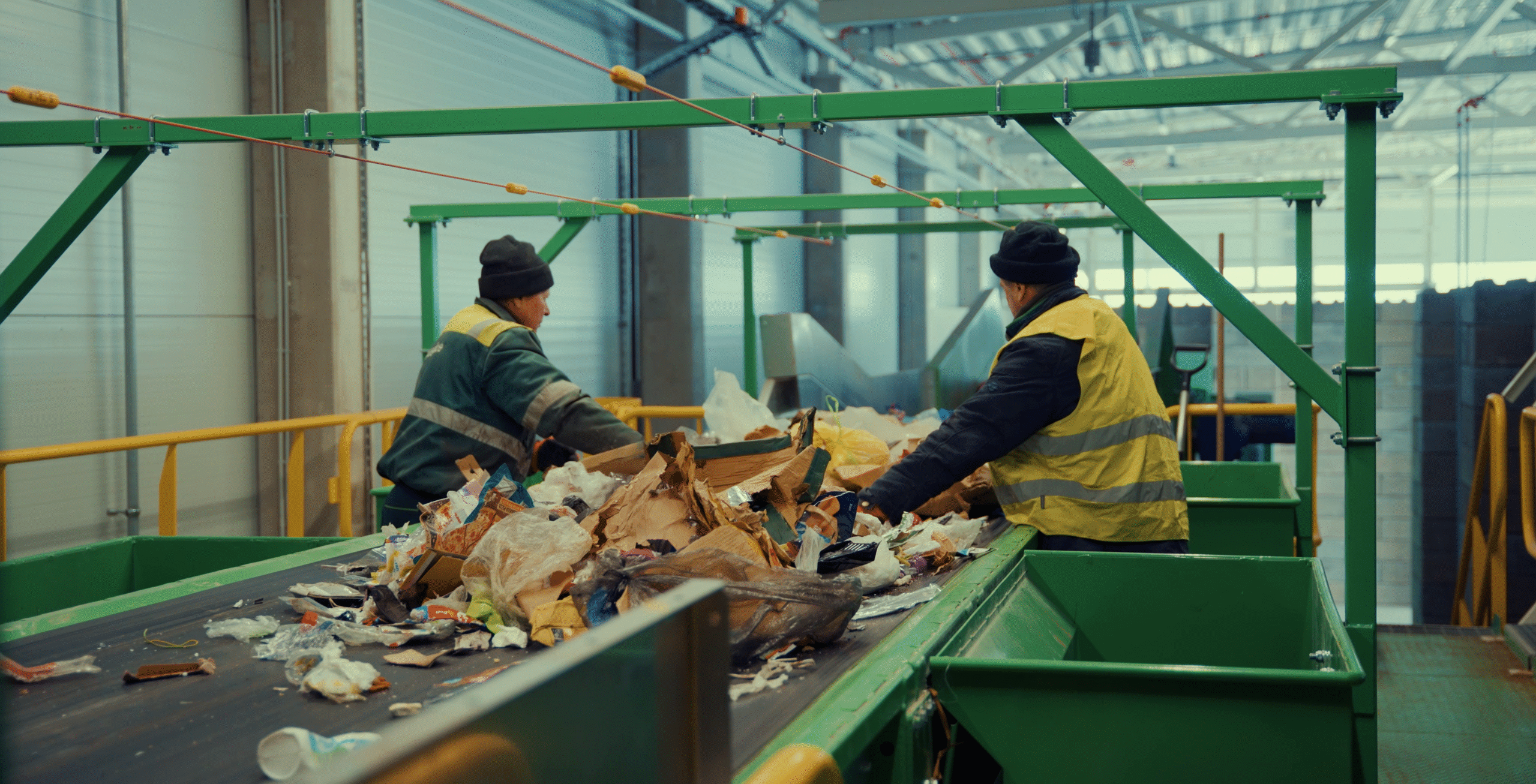
Waste sorting projects in the Baltics are becoming more complex. Operators are expected to recover more material, improve fraction purity, reduce landfill dependency, and keep energy use under control, often within existing buildings, tight installation windows, and changing regulatory pressure.
This is where waste sorting becomes more than just an equipment-supply task. A successful project starts with the operator's business reality, where material streams, capacity needs, and long-term recovery goals all affect how the sorting line is designed
What does designing and developing a new sorting line look like when there are not only different engineering problems to be solved, but also business objectives to be reached? Here to give a glimpse into these projects in the Baltics is Azortum's work with Eco Baltia and CleanR Verso in Latvia, Ragn-Sells Estonia in Tallinn, and Ecoservice in Lithuania.
These projects cover municipal solid waste, packaging, paper, and construction and demolition waste, with capacities ranging from 6 to 30 tonnes per hour.
Why The Baltic Waste Sorting Sector Needs Tailored Engineering
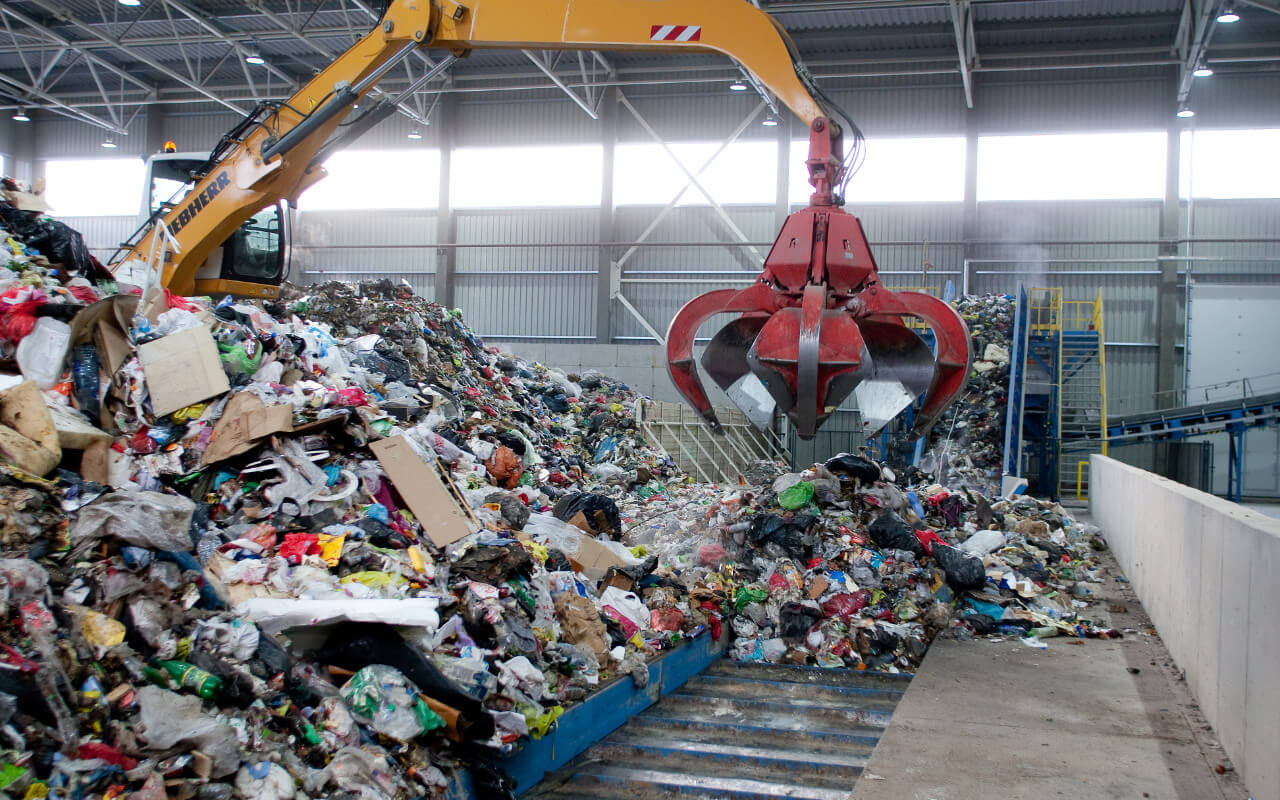
Across Lithuania, Latvia, and Estonia, waste management companies are under pressure to recover more value from mixed and pre-sorted streams. Municipal solid waste, packaging waste, paper, plastics, and construction waste each behave differently on a line.
Therefore, a modern waste sorting project may include many or even all of these prerequisites:
- increase throughput without sacrificing quality;
- recover cleaner recyclable fractions;
- reduce residue rates;
- manage energy use;
- work within existing buildings or constrained sites;
- keep installation disruption as low as possible;
- adapt to future material volumes and regulations.
Below are some of the projects we have completed in the Baltics, along with the challenges each facility was designed to address.
Eco Baltia: High-Throughput MSW and Packaging Waste Sorting in Latvia
Location: Riga, Latvia
Waste stream: Municipal solid waste (MSW) and packaging waste
Capacity: 30 t/h MSW + 7 t/h packaging waste
Annual design volume: 45,000–100,000 tonnes, depending on input material availability
Project scope: Design, installation, and commissioning of a fully integrated MSW and packaging waste sorting line
Key technologies: Screening units, optical sorters, automated fraction handling, SCADA control, manual pre-sorting and final quality control
Key design feature: Adaptive modular process that reduces reliance on energy-intensive shredding while preserving material quality and recovery.
Eco Baltia, Latvia's leading waste and environmental management company, needed a system capable of efficiently processing both municipal solid waste and packaging waste.
Azortum designed, installed, and commissioned an integrated sorting line with a capacity of 30 tonnes per hour for MSW and 7 tonnes per hour for packaging waste. Depending on input availability, the system is designed for annual volumes of up to 45,000-100,000 tonnes.
A key design choice was avoiding intensive shredding. Instead, the line uses adaptive modular equipment, screening, optical sorting, and efficient material routing. This helps reduce unnecessary energy use while preserving material quality.
In addition to achieving recovery efficiency and lower energy-use goals, the new sorting line also had a positive impact on sustainability and the circular economy. It reduced reliance on landfills by increasing material recovery rates and improving the purity of recyclable materials, thereby enhancing resale value and downstream processing while aligning with EU climate and recycling directives.

CleanR Verso: C&D Waste Sorting Built for Local Operating Conditions
Location: Riga, Latvia
Waste stream: Construction and demolition (C&D) waste
Capacity: 25 t/h
Annual design volume: 50,000 tonnes
Project scope: Turnkey design and delivery of a heavy-duty C&D waste sorting line
Key technologies: Heavy-duty feeding conveyors, vibrating screening, air separation, manual sorting and dust suppression
Key design feature: Shredder-less processing combined with an intelligent compressed-air absorber for the vibrating screens, reducing energy use, fine material generation, and structural loads.
Construction and demolition waste creates a different kind of challenge. It is heavy, abrasive, and irregular, which means the line must be built for durability as much as sorting accuracy.
For CleanR Verso, Azortum engineered a 25-tonne-per-hour C&D waste sorting line with a design target of 50,000 tonnes annually. The line separates valuable materials such as wood, plastics, cardboard, stones, metals, and RDF.
The system was installed in Latvian winter conditions and without a building cover, which made planning and equipment durability especially important.
One of the most important engineering decisions was a shredder-less design. By avoiding shredding where it is not needed, the line reduces electricity use, limits the creation of fine dust, and helps preserve material quality.
The project also includes an intelligent absorber for vibrating screens, which reduces structural strain and supports smoother long-term operation.
Ragn-Sells Estonia: Upgrading an Existing Line Without Stopping Operations
Location: Tallinn, Estonia
Waste stream: Waste paper and plastic packaging
Capacity: 6 t/h, upgraded from 3 t/h
Project scope: Upgrade and expansion of the existing paper sorting line, including the addition of packaging waste sorting
Key technologies: Increased automation and mechanical sorting to replace much of the previous manual positive sorting
Key design feature: Phased retrofit of an operating plant, designed to double throughput while minimizing downtime and maintaining safe separation between installation work and incoming material flows.
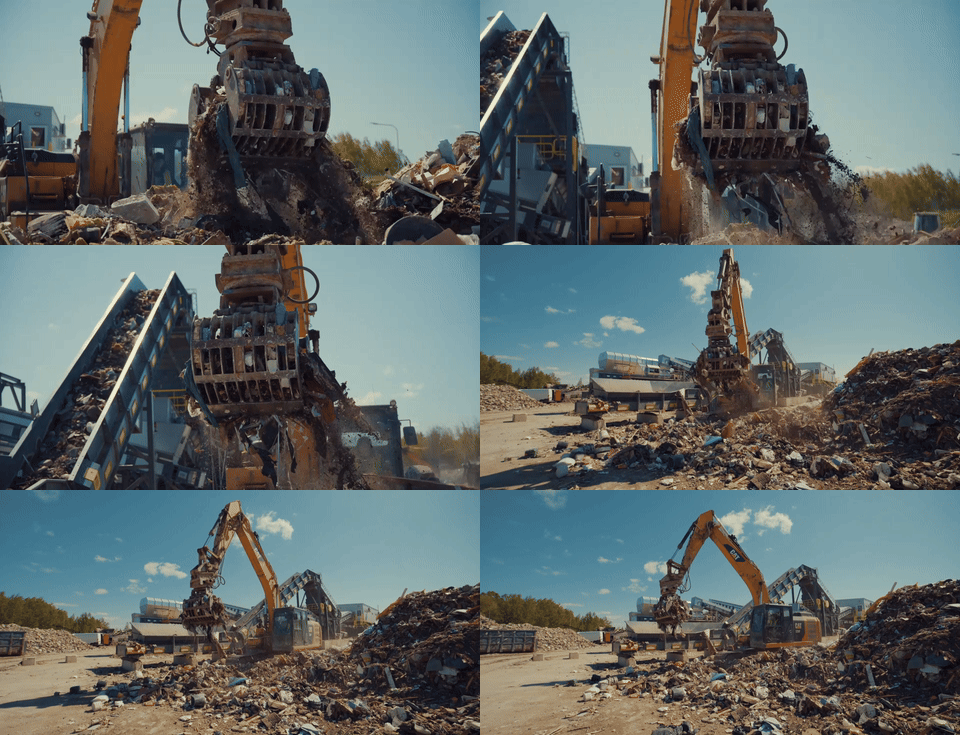
The Ragn-Sells Estonia project adds another important aspect to the Baltic perspective on how to improve an existing sorting line without disrupting daily operations.
At its mixed paper and packaging sorting plant in Tallinn, Ragn-Sells wanted to increase paper-sorting throughput and add plastic-packaging sorting to the same line. The upgraded line increased capacity from 3 tonnes per hour to 6 tonnes per hour while reducing residue rates.
In addition to increasing capacity, the upgrade also changed the role of manual work. Previously, people had to perform more positive sorting manually. The improved line added more machinery to handle the heavy lifting, allowing workers to focus on quality control.
Two challenges shaped the project:
- fitting new equipment into an existing building;
- installing the upgraded line while sorting operations continued.
Here, a phased installation approach was used, so Ragn-Sells could keep operating during the work. The project also required creative layout decisions, including placing a glass separation solution outside the building when it could not fit inside.
The Ragn-Sells story is especially relevant to many other facilities in the Baltics, because many recycling plants do not have the luxury of starting from scratch. Often, the best project is a smart retrofit that increases capacity, improves purity, and protects uptime.
Ecoservice: A Baltic Packaging Waste Reference for Fast, Compact Delivery
Location: Vilnius, Lithuania
Waste stream: Household packaging waste
Capacity: 12 t/h, sorted into 10 different material types
Project scope: Design and delivery of a new packaging waste sorting line following the 2023 fire, including installation and commissioning within an existing building footprint
Key technologies: Drum screen, optical sorters, magnetic separators, eddy current separators, SCADA control, advanced fire detection and suppression
Key design feature: Compact high-capacity layout engineered into a fixed building envelope while construction and equipment installation proceeded in parallel.
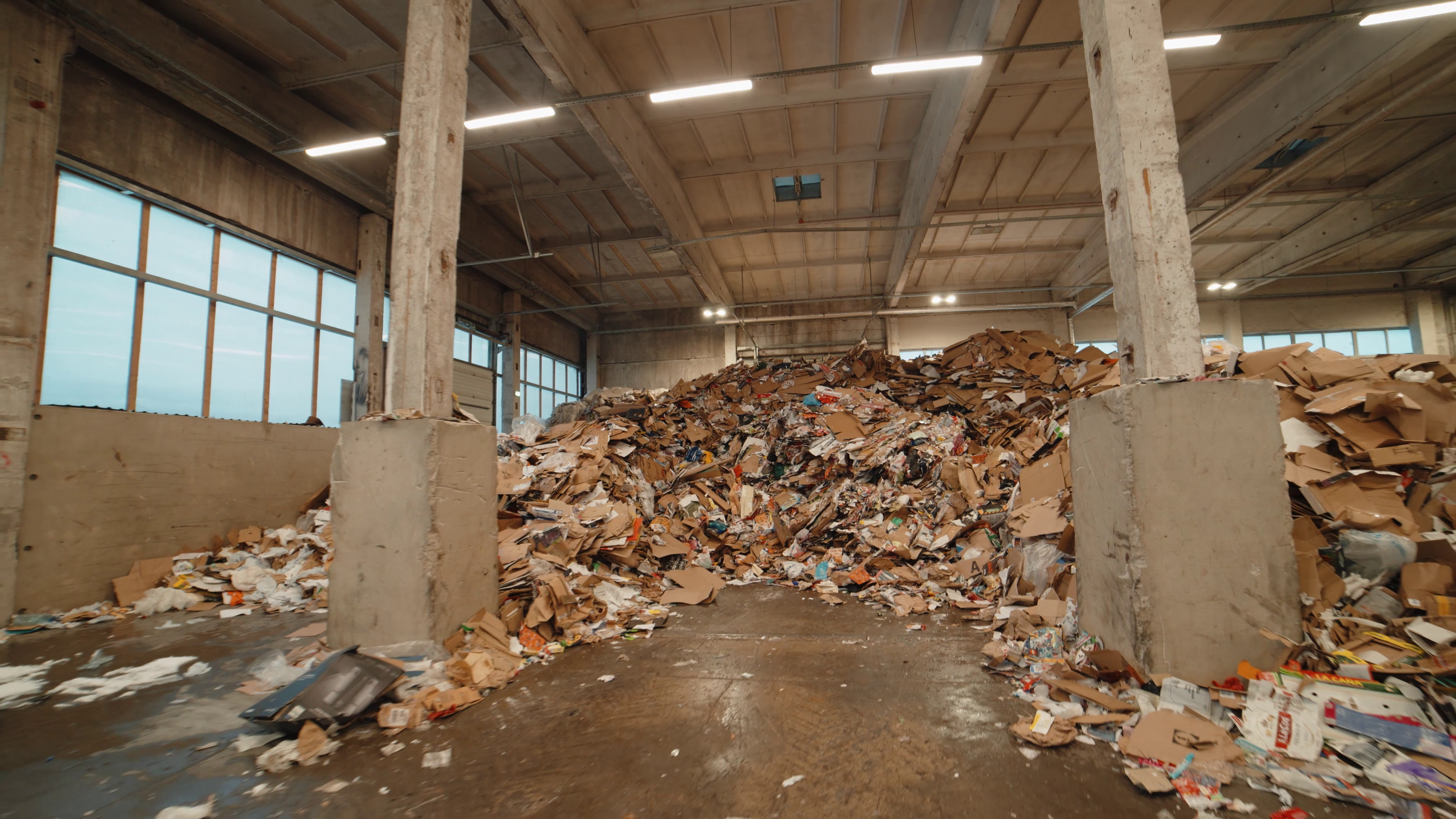
Ecoservice's project in Lithuania also reflects many of the same realities faced by Latvian and Estonian operators, such as urgent timelines, packaging waste growth, limited space, and the need for greater automation.
After a fire destroyed Ecoservice's packaging waste sorting facility in Vilnius, the company needed to rebuild quickly while improving performance. Azortum delivered a compact, high-capacity packaging waste sorting line in less than 12 months.
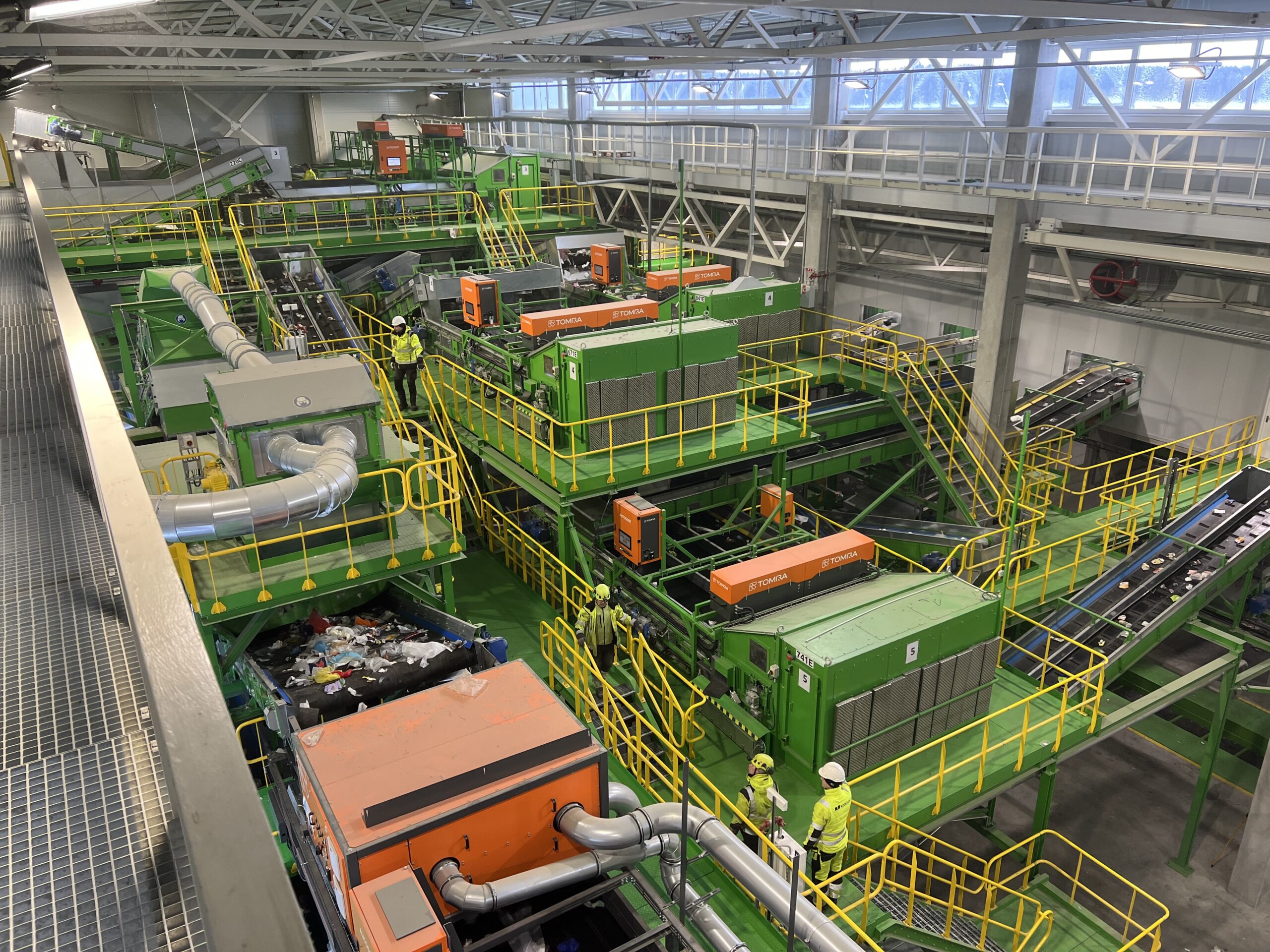
The line processes up to 12 tonnes of household packaging waste per hour and separates material into 10 distinct fractions. It integrates drum screening, optical sorting, eddy current separation, magnetic separation, fire detection, fire suppression, and SCADA control.
By coordinating building works, engineering, and equipment installation in parallel, Azortum delivered the new line in less than 12 months. This also included integrating automated sorting, SCADA control, and dedicated fire-protection systems.
What To Learn From The Baltics
The material streams are different, so none of them could be solved with a standard layout.
Each one required tailored engineering, brand-independent technology selection, efficient use of available space, installation planning around real operational constraints, and a clear focus on recovery quality, residue reduction, and future material volumes.
That is why planning a new waste sorting project should start with the operating model before the equipment list. Before investing in a new line or retrofit, operators should clarify:
- What business problem must the project solve: higher recovery, more capacity, better quality, lower operating cost?
- What material streams create the biggest value opportunity today?
- Which create the biggest operational bottleneck?
- What throughput is needed to meet current volumes and future growth?
- Which recovered fractions have the strongest resale, compliance, or downstream processing value?
- What output quality do partners, regulators, or internal processes require?
- What level of downtime can the business tolerate during installation or retrofit work?
- How can the existing facility footprint be used most efficiently before considering building changes?
- What safety and maintenance requirements are needed?
- What operational data should managers and operators see to track performance?
Answering these questions early helps ensure the final line is designed around the business case, the facility and the material stream, not just around individual machines.
Azortum's Approach To Waste Sorting Projects
With more than 30 years of experience delivering turnkey waste-sorting and bulk-material-handling solutions across the Baltics and wider Europe, Azortum combines business-first engineering with practical installation expertise.
Across these four Baltic projects, Azortum has delivered sorting solutions for MSW, packaging, paper, and C&D waste in Latvia, Estonia, and Lithuania, covering new-build facilities, emergency reconstruction, and live-facility retrofits.
Let's discuss your project!
At Azortum, we are committed to developing unique solutions that are sustainable to operate and profitable for your company.
We have received your information and will be in touch with you shortly. Thanks!