
Case study: Ekokaari’s New C&D Waste Sorting Line in Finland
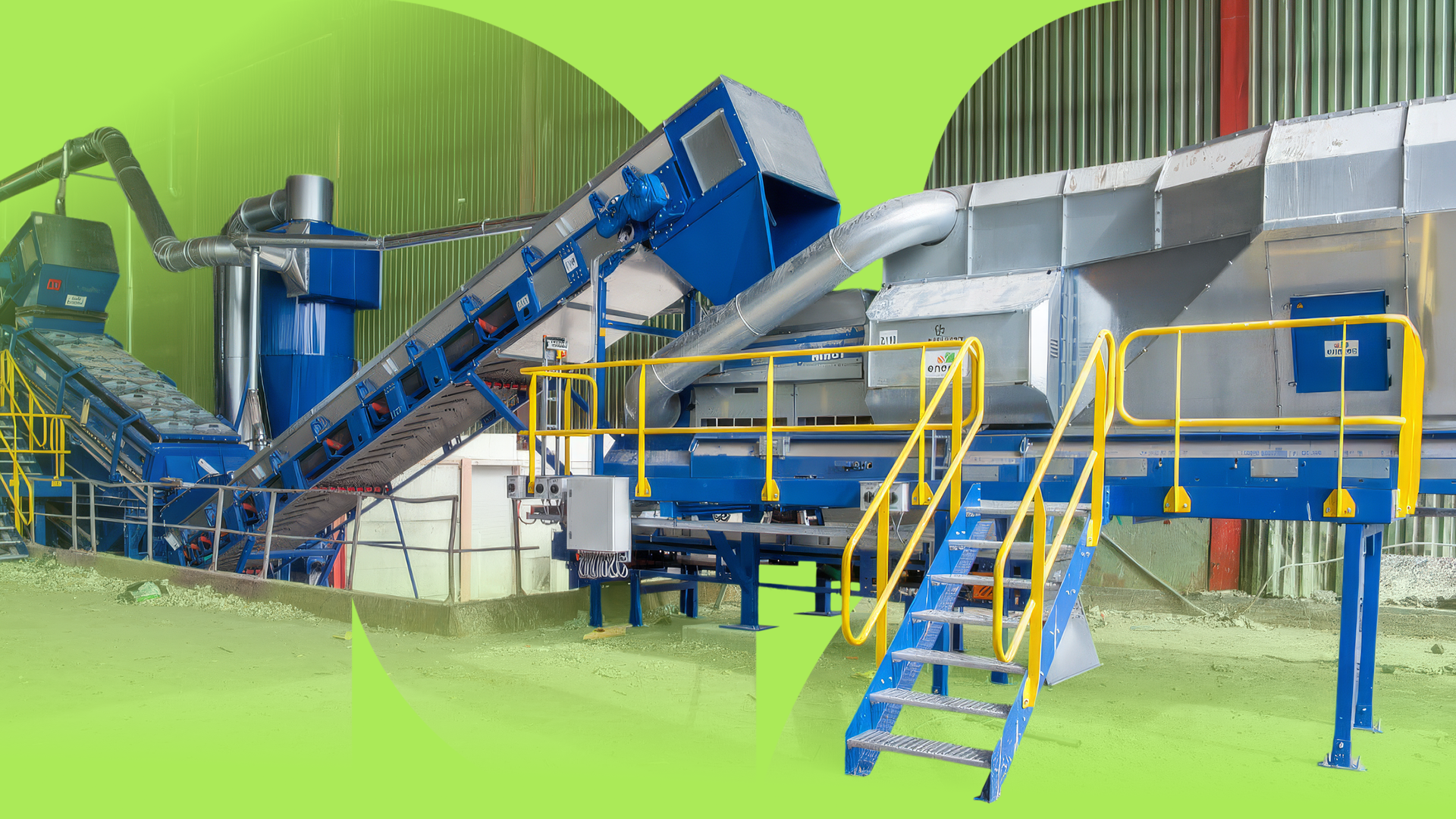
Founded in 2018, Ekokaari Oy is a Finnish circular economy company providing waste management and recycling services to businesses across Southeast Finland. The company processes approximately 50,000 tonnes of waste annually, including construction and demolition waste (C&D), contaminated soils, and liquid industrial waste.
Its customers include construction companies, industrial plants, trade sector operators, waste management companies, and transportation firms.
DEVELOPING THE FACILITY THROUGH THREE PROJECTS
We have worked on Ekokaari’s Keltankankaa facility in three separate projects, where each of them has addressed a different operational need.
Azortum's first project with Ekokaari focused on improving the quality of output from two existing lines previously supplied by other manufacturers. At the time, waste-derived fuel production was a priority. We developed a solution that separated PVC from the waste so the output could meet the fuel buyers' chlorine-content limits.
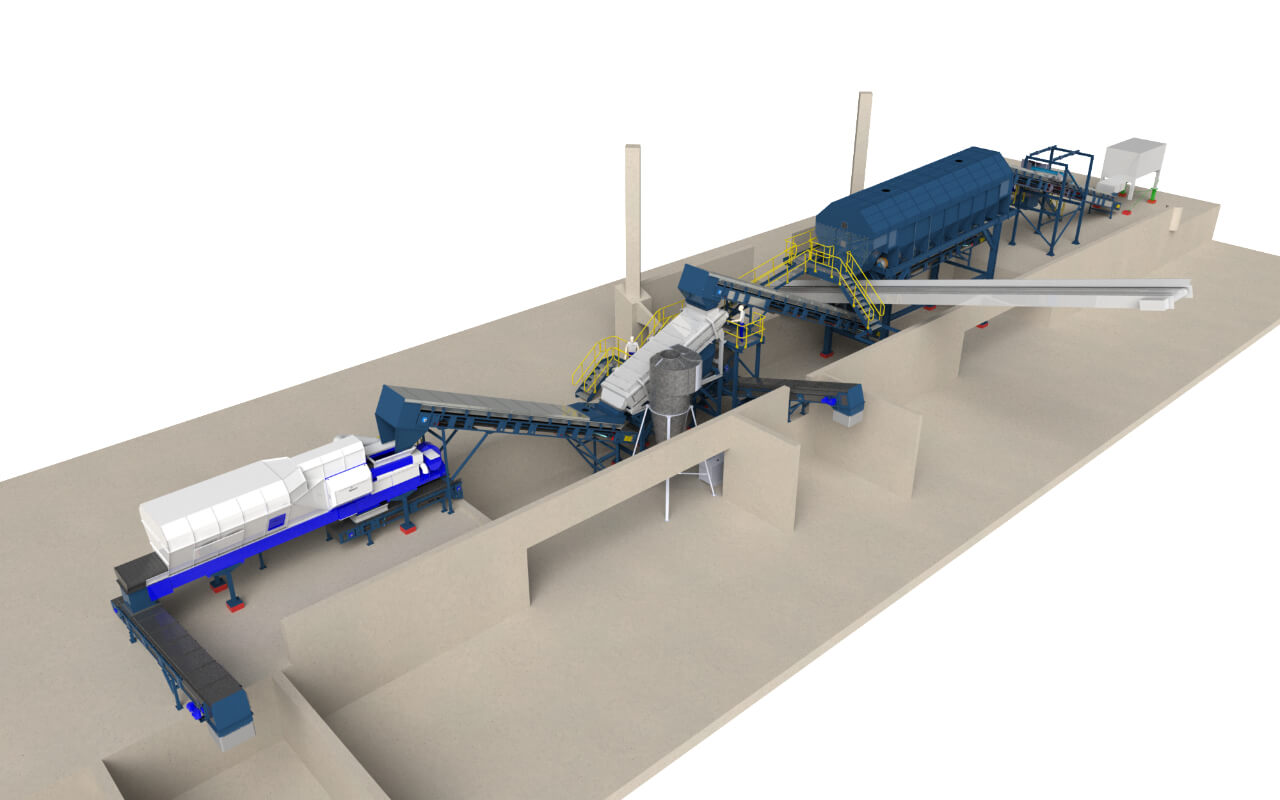
In a later project, we added presorting to the C&D line to increase throughput and improve the purity of the recovered materials. This included a large trommel manufactured by Azortum and a separate processing line for the finer fraction, with further screening, metal removal, and air separation. The coarser material continued to the older section of the line.
REPLACING AN AGING LINE TO RECOVER MORE VALUE
Our third collaboration started in 2024, when Ekokaari decided to upgrade the older section of the line, which was approaching the end of its technical service life after ten years of use. This also included solving its limitations in separation performance.
Instead of just replacing the worn-out equipment, Ekokaari decided to invest in improving the sorting process. Emphasis was also put on increasing material recovery and preparing the line for future requirements.
"The investment enhanced operational reliability, cost efficiency, and the recovery and quality of the materials produced," explains Aki Koivula, CEO of Ekokaari Oy.
Finland's waste legislation and circular economy objectives have also shaped the facility's development, particularly the push to increase recycling rates for construction and demolition waste.
"Our target was to double the amount of material recycled through our facility, with a specific focus on increasing the recovery of plastics," says Koivula.
Even before the upgrade, only a small share of the material processed at the facility ended up in final disposal. Approximately:
- 15% was recycled as a substitute for virgin raw materials.
- 50% was used in energy production as biofuel and recycled fuel.
- 35% was utilised in land construction.
Naturally, the next step was to recover more material at higher quality while improving the reliability and efficiency of the sorting process.
DESIGNING A MORE RELIABLE AND FLEXIBLE SORTING PROCESS
Azortum designed and engineered the upgraded sorting line.
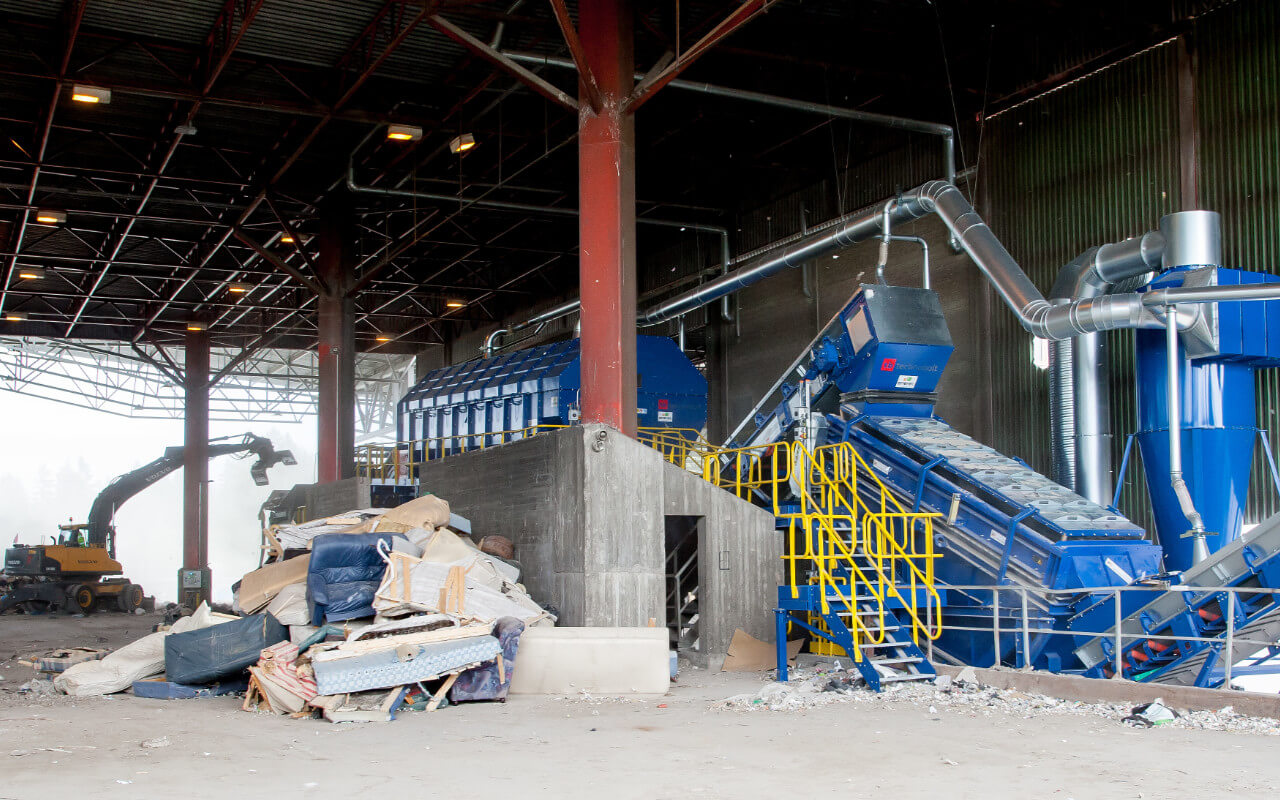
When designing any waste sorting line, including C&D waste, two factors guide the process: what material enters the process and what the customer needs to recover from it. Understanding the composition of the incoming waste and the required output quality helped us determine the technology needed. We also considered future demand for the recovered materials when planning the investment.
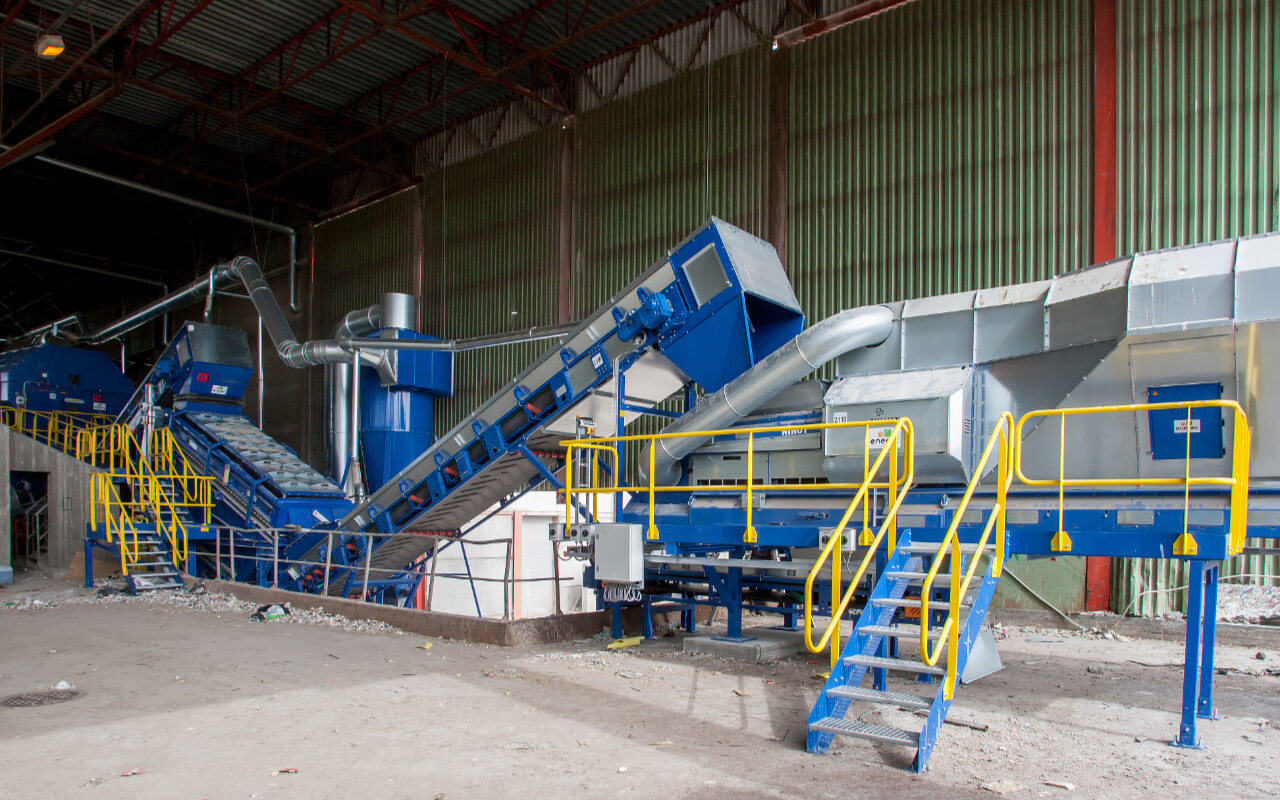
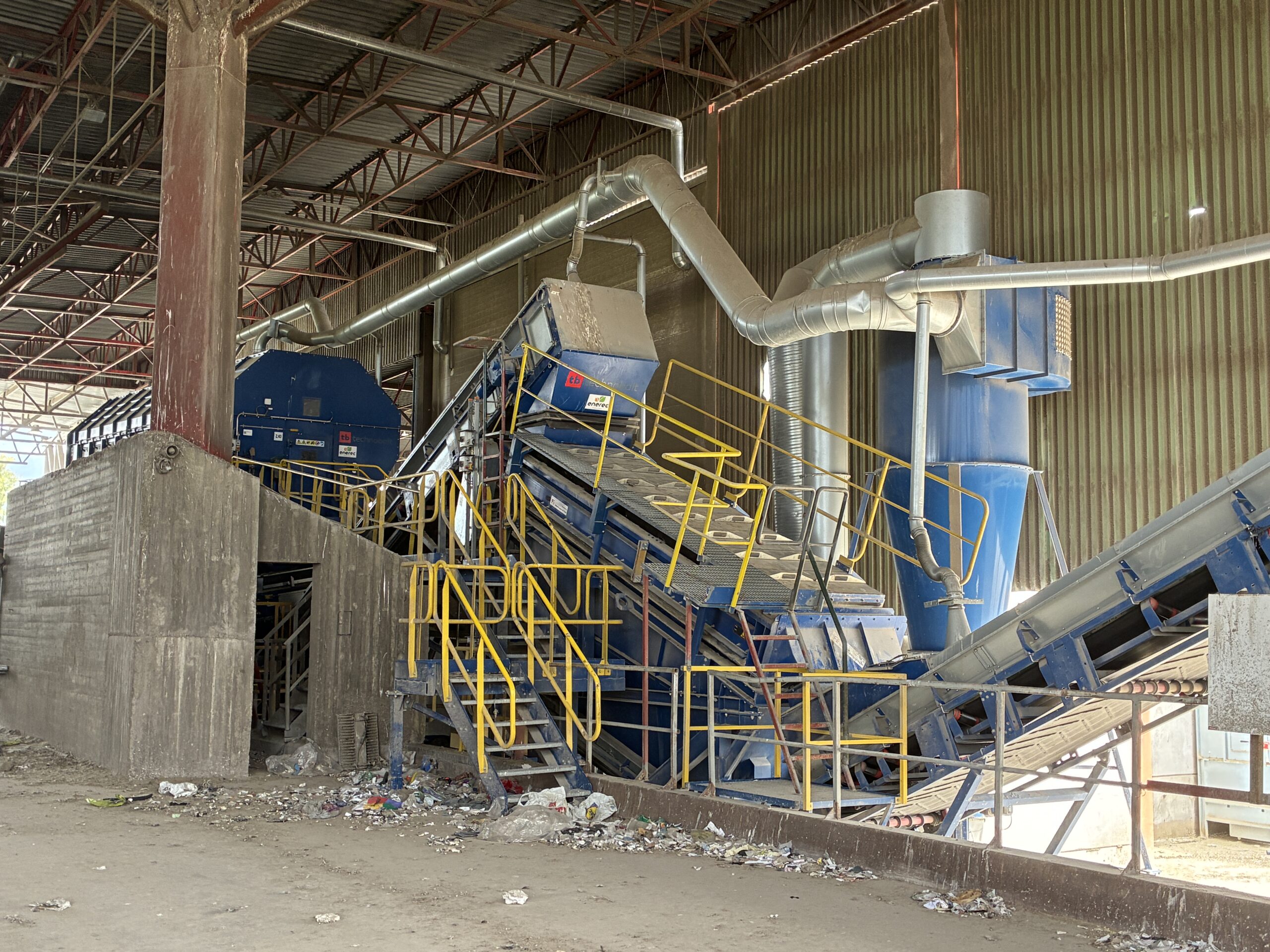
The project included replacing the conveyors in the line's central section and adding new separation equipment, including an eddy current separator and a permanent magnet.
One of the most important decisions concerned the old ballistic separator. The worn-out unit needed replacement, but Ekokaari also wanted greater flexibility to handle different material streams in the future.
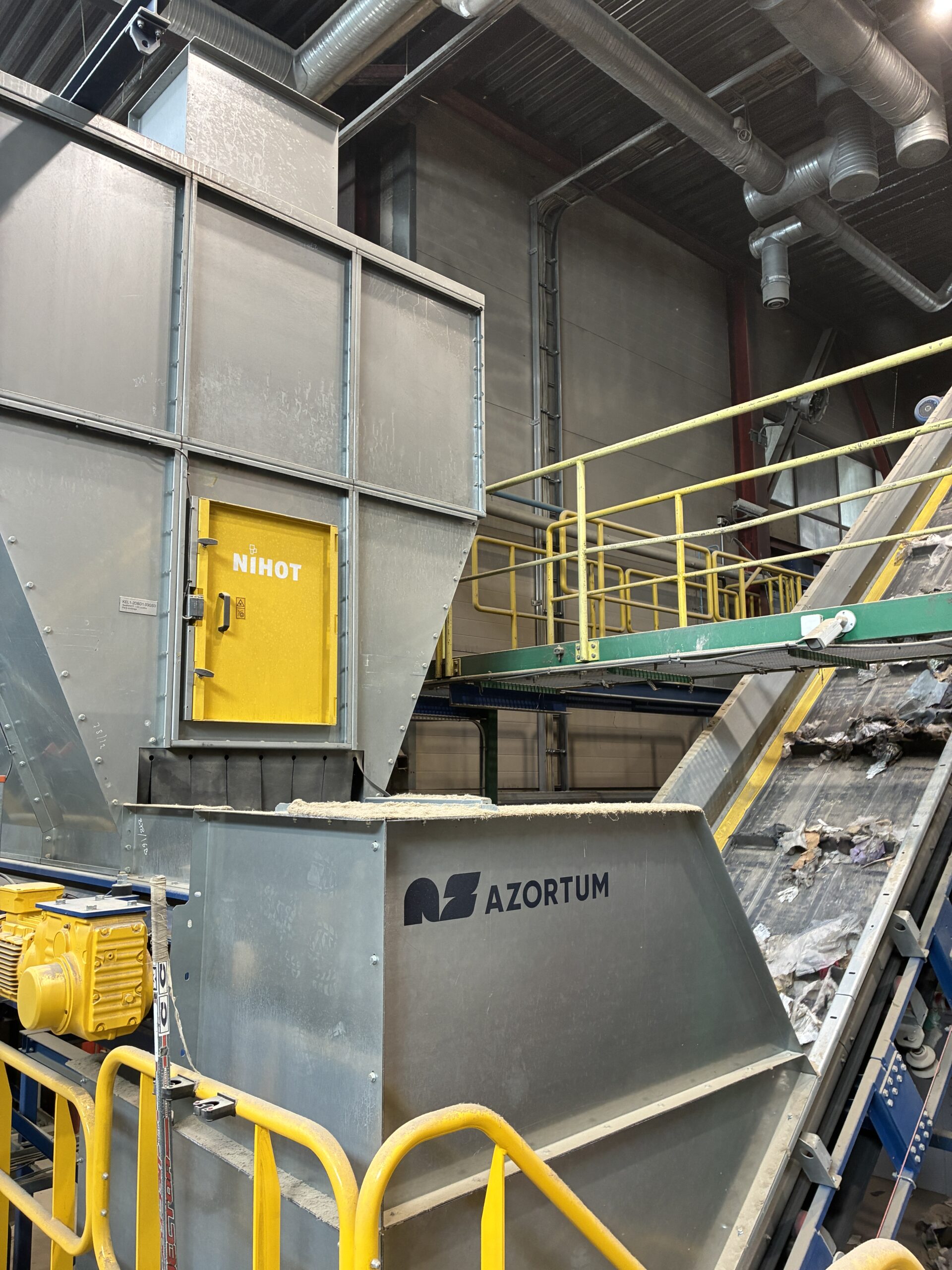
Instead of installing another ballistic separator, Azortum integrated a three-fraction air separator.
The new system improves separation while giving Ekokaari greater flexibility to adapt the sorting process to different materials. It has also proven less prone to failure than the previous ballistic separator.
Azortum also worked with Ekokaari on the maintenance requirements. The design included lifting points and locations for lifting components, to make equipment easier to access and parts easier to replace. These arrangements accounted for the available space and the maintenance practices already used by Ekokaari's team.
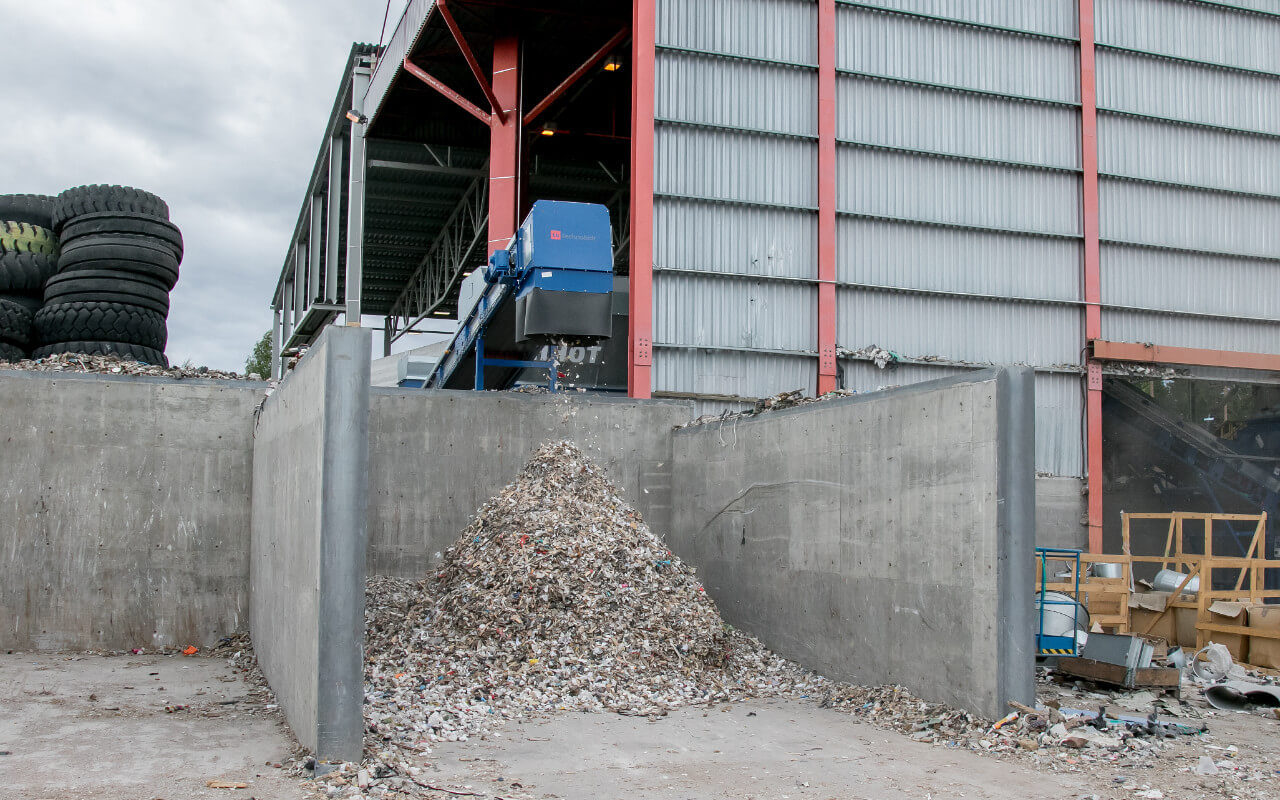
The original sorting line had been operating since 2013. The upgraded line entered operation in September 2024.

RESULTS AFTER 2 YEARS IN OPERATION
Two years after commissioning, Ekokaari says the upgraded line has met its expectations.
Compared with the previous system, operational reliability and production efficiency have improved significantly. The target of doubling the amount of material recycled through the facility has been achieved, while better separation has also increased the purity of the resulting fractions.
According to Ekokaari, the new line has so far been able to handle every material flow entering the process.
Aki Koivula highlights one result in particular:
"In particular, the operational reliability and ease of maintenance have been a positive surprise, even though a lot of attention was paid to them during the design and assembly phase."
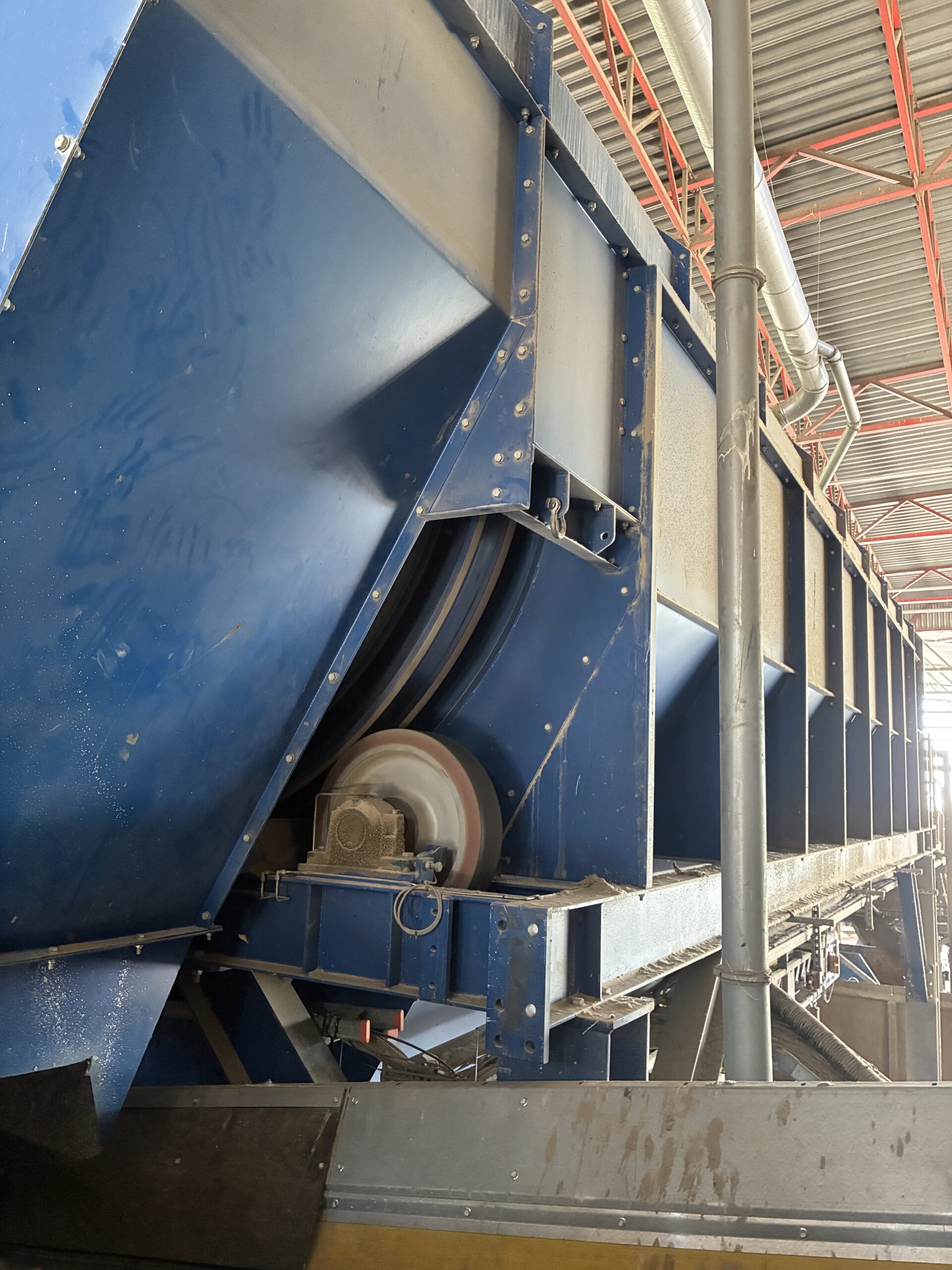
Replacing the ballistic separator with the three-fraction air separator has also proved successful. In daily operation, the air separator has been less prone to failure while providing significantly better separation capacity.
For Koivula, the most important benefits of the investment are straightforward:
"Definitely operational reliability and increased capacity. In addition, maintenance costs have become more predictable and reduced."
But no C&D waste stream is completely predictable.
Since commissioning, Ekokaari has encountered materials such as video cassettes and other long, tangled objects that can create problems around rotating equipment and conveyor transfer points.
These materials remain difficult to process automatically, but regular weekly maintenance has helped keep conveyors and separators operating without interruption.
It is a practical reminder that designing a reliable C&D sorting line is not only about nominal capacity or individual machines. The system also has to cope with the irregular materials and operating conditions that appear in everyday production.
MOVING TOWARDS MORE ACCURATE PLASTICS SORTING
The upgrade has given Ekokaari a more reliable and productive foundation, but development of the line is an ongoing process. One of their main priorities for the coming years is more accurate plastics sorting and further improvement of material recovery.
For Ekokaari, the 2024 investment was therefore more than a replacement of aging machinery. It created a more reliable and adaptable sorting process that can continue to develop as material streams, recycling targets, and market requirements change.
Let's discuss your project!
At Azortum, we are committed to developing unique solutions that are sustainable to operate and profitable for your company.
We have received your information and will be in touch with you shortly. Thanks!